Energy-Efficient Homes in Singapore: Practical Features That Can Improve Everyday Living
Energy efficiency is becoming an increasingly relevant consideration in Singapore’s residential property market. With households paying attention to electricity expenses, environmental impact, and indoor comfort, features that reduce unnecessary energy consumption are gaining importance.
A home does not need complicated technology to become more energy-conscious. Practical design decisions, efficient appliances, and responsible household habits can make a meaningful difference over time.
For prospective property buyers, understanding these features can provide another useful perspective when comparing residential options.
Why Energy Efficiency Matters for Singapore Households
Singapore’s warm and humid climate means that air-conditioning, refrigeration, and other electrical appliances can contribute significantly to household electricity consumption.
Reducing unnecessary energy use may help homeowners manage recurring utility expenses.
Energy-conscious living can also support broader sustainability objectives by reducing demand for electricity.
However, energy efficiency should be evaluated through actual building specifications and household requirements rather than assumptions based on promotional descriptions.
Natural Ventilation and Window Design
Natural ventilation can influence indoor comfort and reduce the need to depend entirely on mechanical cooling.
Window positioning, room orientation, and the arrangement of internal spaces may affect how air moves through an apartment.
Buyers examining Langdon Heights should pay attention to available floor plans and assess whether the layout offers practical ventilation opportunities.
They should also consider surrounding buildings, potential obstructions, and the amount of natural daylight entering different rooms.
Good ventilation does not eliminate the need for air-conditioning in Singapore’s climate, but it may provide additional comfort during suitable weather conditions.
Chencharu Central Residences and the Importance of Sustainable Development Planning
Sustainability is increasingly relevant when evaluating residential developments and their surrounding communities.
Chencharu Central Residences provides a useful context for considering how prospective buyers can examine environmental features alongside conventional property considerations.
Purchasers should investigate verified project specifications and available information about energy-related building features, landscaping, water efficiency, and shared facilities.
Singapore’s Green Mark certification framework, administered by the Building and Construction Authority, is another useful reference when researching sustainable building performance.
Buyers should distinguish between confirmed certifications, design intentions, and general sustainability statements.
Choosing Energy-Efficient Household Appliances
Appliances can influence the amount of electricity a household consumes.
When purchasing refrigerators, washing machines, air-conditioners, and other electrical equipment, homeowners can compare energy ratings and estimated consumption.
Singapore’s Mandatory Energy Labelling Scheme helps consumers identify the energy performance of covered appliances.
An appliance with a higher efficiency rating may reduce electricity consumption, although actual savings depend on usage patterns and operating conditions.
Buyers planning a renovation should include appliance efficiency in their overall household budget.
Air-Conditioning Habits and Temperature Management
Air-conditioning is an important part of indoor comfort for many Singapore households.
However, operating systems more efficiently can help reduce unnecessary energy consumption.
Practical habits include:
- Selecting a comfortable temperature rather than excessively low settings.
- Cleaning filters according to manufacturer recommendations.
- Keeping doors and windows closed when cooling a room.
- Servicing equipment regularly.
- Using fans where appropriate to improve air circulation.
- Switching off cooling systems when rooms are not in use.
These practices can support more responsible electricity use without compromising comfort.
Lighting Choices and Electricity Consumption
Lighting is another area where small household decisions can make a difference.
LED lighting generally consumes less electricity than traditional incandescent lighting and offers a longer operating life.
Homeowners can also make better use of daylight by arranging workspaces near suitable windows.
Task lighting can be useful in study areas because it allows residents to illuminate specific spaces without unnecessarily lighting an entire room.
When renovating, buyers should consider lighting placement according to the intended function of each area.
Water Conservation in Residential Properties
Sustainability involves water consumption as well as electricity use.
Water-efficient fittings, appropriate shower arrangements, and responsible household habits can help reduce unnecessary water usage.
Residents can look for suitable water-efficient products carrying the relevant Water Efficiency Labelling Scheme information.
Regularly checking taps, pipes, and toilet fittings for leakage is also important.
Small leaks may seem insignificant, but they can result in unnecessary water wastage over time.
Landscaping and Outdoor Environmental Comfort
Landscaping can influence the environmental experience of a residential development.
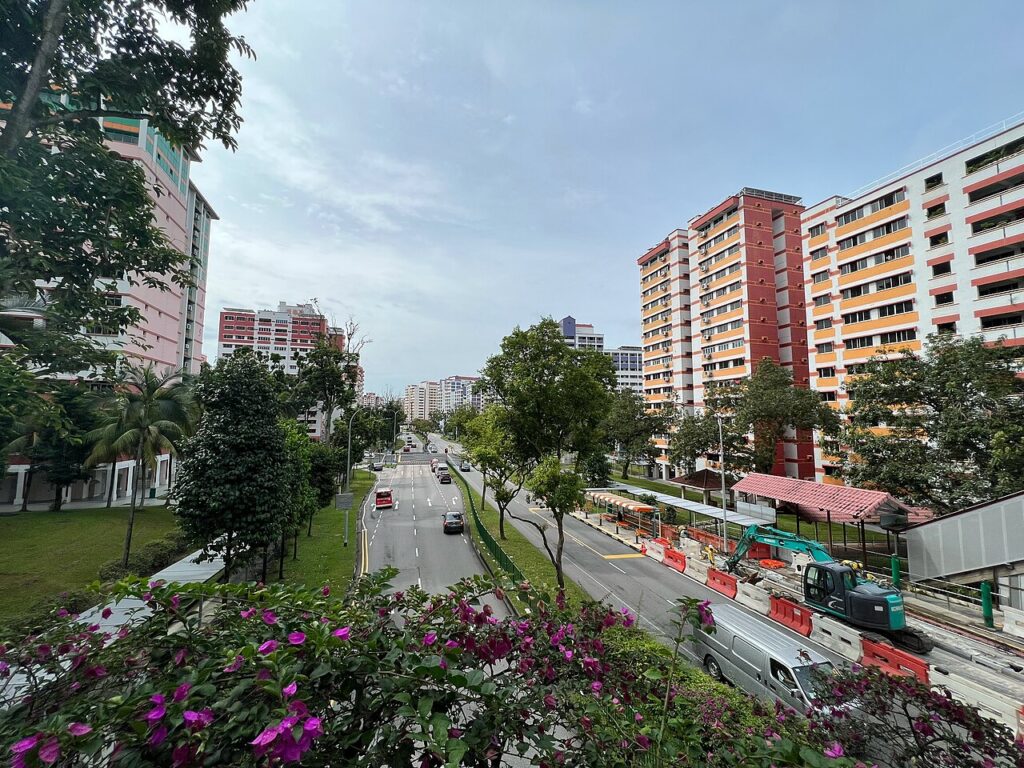
Trees and vegetation may provide shade, soften the built environment, and create more inviting communal spaces.
However, landscaping requires appropriate maintenance and should be evaluated alongside drainage, plant selection, and long-term management considerations.
Buyers should also distinguish between decorative landscaping and features that contribute to measurable environmental performance.
Building a More Sustainable Household Routine
Even a well-designed apartment requires responsible day-to-day habits.
Households can improve their environmental performance by switching off unused equipment, managing air-conditioning schedules, reducing water wastage, and disposing of recyclable materials appropriately.
Singapore’s wider sustainability initiatives also encourage residents to participate in responsible resource management.
These everyday practices can complement energy-conscious building features.
Questions Buyers Should Ask About Energy Efficiency
Before purchasing a property, prospective homeowners may want to investigate:
- Is there verified information about the building’s sustainability certification?
- What energy-related features are included in the development?
- Are water-efficient fittings specified?
- Does the layout offer useful natural lighting?
- Are there practical ventilation opportunities?
- What are the management arrangements for shared facilities?
- Can the household use energy-efficient appliances effectively?
The answers will depend on the individual development and its published specifications.
Conclusion
Energy efficiency is a practical consideration for Singapore homeowners because it connects environmental responsibility with everyday household expenses.
Natural lighting, ventilation, efficient appliances, water-saving fittings, and responsible energy habits can all contribute to a more sustainable living environment.
Property buyers should examine verified building information and consider how different features support their actual household requirements.
A comfortable and efficient home is not defined by technology alone. It is created through thoughtful design, appropriate equipment, and consistent everyday practices.