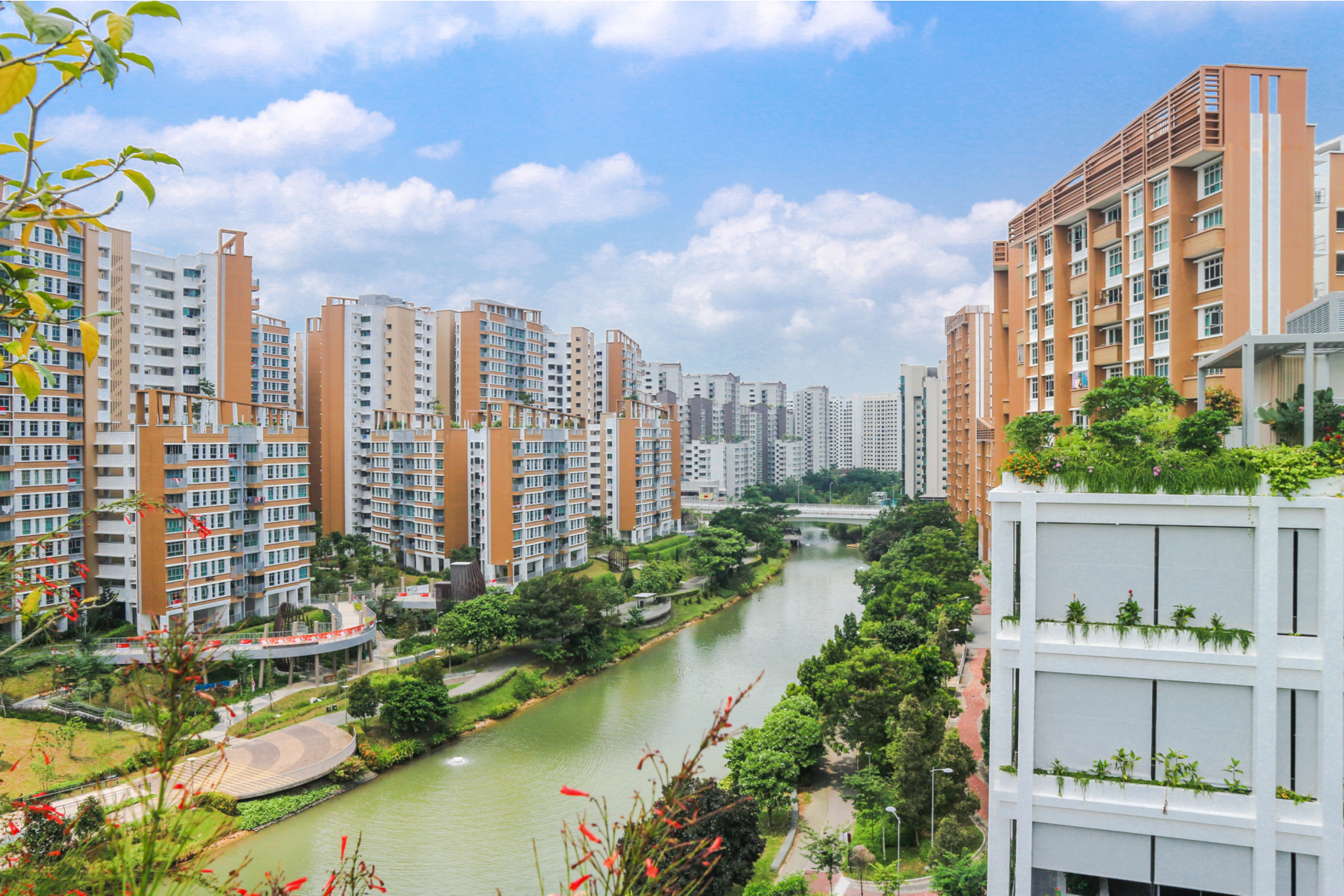
How to Research a Property Before Buying in Singapore
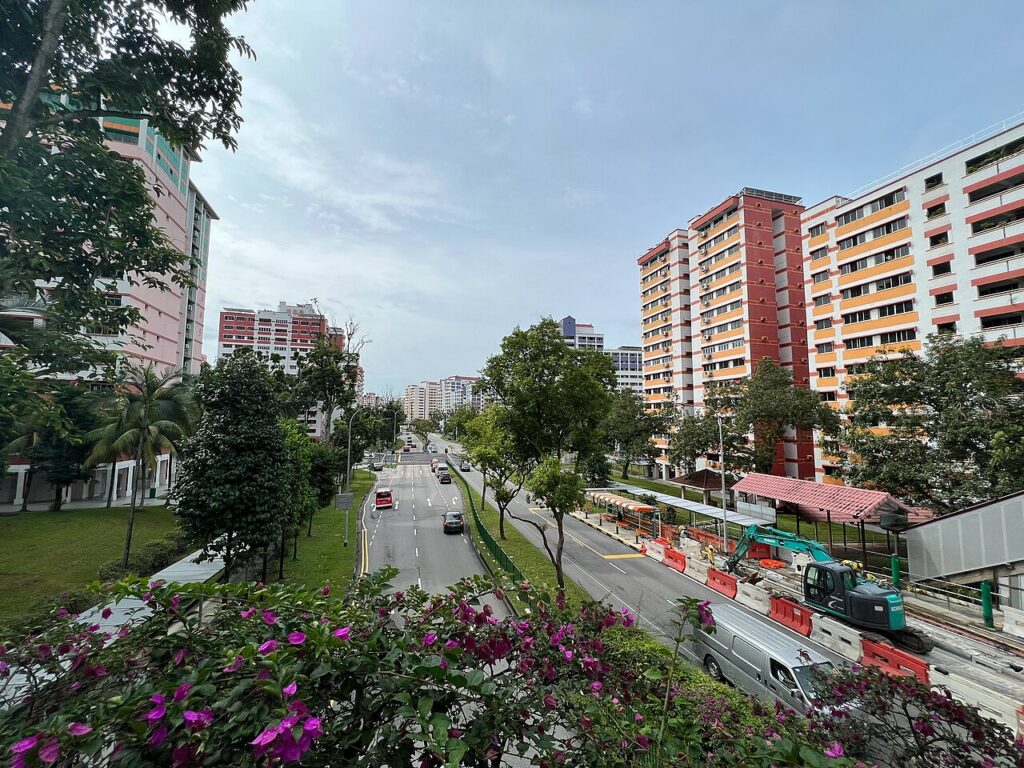
Buying a property is a major decision, and good research can make the process considerably clearer. Singapore offers a wide range of residential choices, but comparing properties requires more than looking at asking prices or attractive photographs.
A useful property research process brings together several types of information. Buyers can examine the location, development details, surrounding environment, accessibility, unit design and their own long-term requirements.
The goal is not to predict exactly how a property will perform in the future. Instead, thorough research helps buyers understand what they are actually purchasing and whether it fits their circumstances.
Begin With the Address
The first step is to understand the location.
A property address can tell buyers which neighbourhood they are considering, but further research is needed to understand what living there might be like.
Look at nearby roads, public transport, schools, shops, restaurants, supermarkets, healthcare services and recreational spaces.
It is also useful to examine the area on foot. Walking around can reveal details that are easy to overlook when viewing a property through a website.
One Chuan Grove: Research Beyond the Development
One Chuan Grove is an example of why buyers should research both a development and its surrounding neighbourhood.
Those considering the project can investigate the wider Chuan Grove and Lorong Chuan area to understand its residential environment and available amenities.
Rather than relying entirely on descriptions, prospective buyers can make a checklist of places they would use regularly and determine how convenient they are from the development.
This simple exercise can reveal whether the location works for a particular lifestyle.
Examine the Property’s Layout
Once the location has been considered, attention can turn to the individual unit.
Floor area is useful, but it does not tell the entire story. Buyers should examine how efficiently the available space is arranged.
Consider the bedrooms, living area, kitchen, bathrooms and storage spaces. Think about where furniture would be placed and whether there is sufficient room for everyday activities.
For people working from home, a suitable workspace may also be important.
Families should consider whether the layout can accommodate changing needs as children grow.
Look at the Surrounding Buildings
The immediate surroundings of a property can influence views, privacy and natural light.
Buyers should examine neighbouring buildings and understand how closely they are positioned.
For completed developments, this can usually be assessed during a physical viewing. For projects that have not yet been completed, buyers may need to examine available plans and official project information.
It is important to distinguish between confirmed information and preliminary material when researching an upcoming development.
Understand the Neighbourhood’s Daily Rhythm
A location can feel very different at different times of the day.
A quiet afternoon may not represent weekday morning traffic. Similarly, a residential street may become busier in the evening because of nearby restaurants or commercial activity.
Potential homeowners can visit at several different times to develop a more realistic understanding of the area.
Noise, traffic, pedestrian movement and accessibility are all worth observing.
Consider Different Transport Options
Public transport is an important part of property research in Singapore, but buyers should consider the complete journey rather than simply identifying the nearest MRT station.
Test routes to important destinations and note walking time, transfers and waiting periods.
Drivers should also investigate nearby roads and expressways.
The purpose is to understand whether the property works with the household’s existing routine.
River Opus: Studying an Established Urban Environment
River Opus provides an example of how a property’s broader setting can form an important part of the research process.
The development is located in the River Valley area, close to the Singapore River and established destinations including Great World and Robertson Quay.
These surroundings provide a combination of residential, retail, dining and lifestyle options.
Potential buyers can explore the neighbourhood to determine how these features fit their own routines rather than assuming that every nearby facility will be equally useful.
Research Amenities Based on Actual Needs
Not every amenity has the same value to every buyer.
A family might prioritise schools and supermarkets. A professional may care more about commuting options and restaurants. Someone who enjoys outdoor activities may look for parks and walking routes.
Creating a personal list is therefore more useful than simply counting nearby facilities.
Think about what the household uses every week and research those specific services.
Check Ownership Costs
The purchase price is only one part of the financial picture.
Buyers should consider mortgage payments, maintenance expenses, taxes, insurance, renovation and other costs associated with ownership.
A property should be evaluated according to the total financial commitment rather than the advertised price alone.
It is also sensible to consider how changing financial conditions could affect affordability.
Research the Wider Property Market
Comparing similar properties can provide useful context.
Look at developments in nearby areas and compare their locations, unit sizes, layouts, facilities and other relevant characteristics.
Official Singapore property-market information can also help buyers understand broader market activity.
However, market statistics should be treated as background information rather than a substitute for researching an individual property.
Investigate Future Plans Carefully
Future developments can affect a neighbourhood’s character.
New transport infrastructure, commercial projects, parks or residential developments may change how an area functions.
Buyers can research official planning information to understand what has been proposed or approved.
However, it is important to distinguish confirmed projects from speculation. Future plans may change, so buyers should not base an entire purchase decision on an assumption about something that has not yet been delivered.
Ask Practical Questions During a Viewing
A property viewing should be more than a quick inspection.
Buyers can ask:
- How practical is the layout?
- Is there sufficient storage?
- What is the surrounding noise level?
- How convenient is the route to public transport?
- Are essential services nearby?
- What are the ongoing ownership costs?
- Does the property suit future household requirements?
Taking notes during each viewing can also make it easier to compare several properties later.
Create a Consistent Comparison Method
When researching multiple homes, consistency is useful.
Use the same basic criteria for every property so that comparisons remain meaningful.
Location, layout, transport, amenities, costs and future requirements can form the foundation of the comparison.
This prevents the search from becoming overly focused on one attractive feature while overlooking practical disadvantages.
Take Time Before Making a Decision
Property purchases can create long-term financial commitments, so rushing the research process can create unnecessary problems.
Buyers should take time to verify information, revisit locations and understand the costs involved.
For those researching One Chuan Grove, the surrounding Chuan Grove and Lorong Chuan environment should form part of the wider assessment.
For those examining River Opus, the River Valley location can be studied alongside the development’s own characteristics and the lifestyle opportunities available nearby.
The most useful property research is ultimately based on facts and personal requirements. Instead of asking whether a particular development is universally suitable, buyers can ask whether its location, design, costs and surroundings make sense for their own circumstances.
A careful research process does not need to be complicated. It simply requires looking beyond the headline features and examining how a property would function as a real home.